



Overview
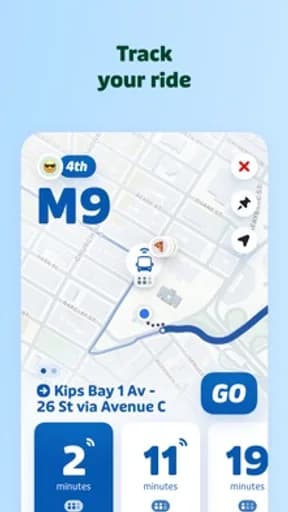
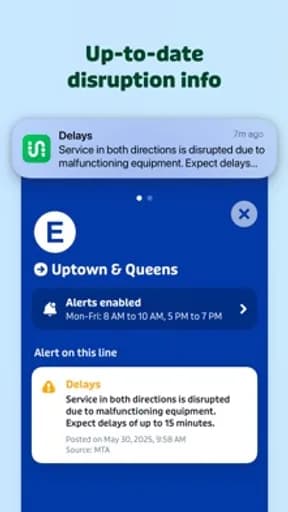
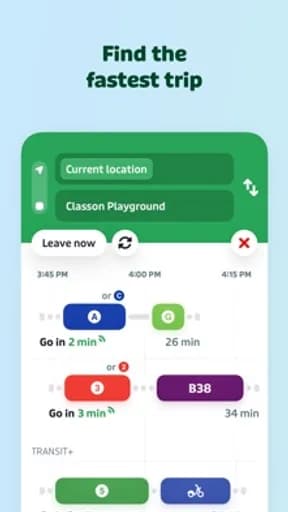
Transit is a maps & navigation app published by Transit, Inc, and it exists to handle routing, live traffic, and finding places. That framing matters more than any feature list: the useful question is not how much this app can do, but whether it does that one job in a way you can rely on when you are distracted, in a hurry, or on a poor connection.
The sections below stay with what is checkable from the public listing, and flag interpretation as interpretation.
Routing quality, offline behaviour, and battery
What matters in Maps & Navigation is narrower than a feature list suggests, and it is where Transit should be measured first. Route quality is regional. An app that is excellent in one metropolitan area can be noticeably worse two countries over, because the underlying map data and traffic coverage differ far more than the interface suggests.
The other two constraints are physical: what happens when the signal drops mid-route, and what an hour of active navigation does to the battery. Both are easy to test and rarely mentioned in the listing.
What the rating actually tells you
A 4.5 average is a solid result. It typically describes software that does its main job well while carrying a recognisable set of complaints — often around pricing, notifications, or a recent redesign.
Store rating counts for Transit are not recorded in this catalogue, so treat the average as a directional signal and check the current figure on the official listing.
How it compares within Maps & Navigation
At 4.5, Transit rates 0.2 below the Maps & Navigation median of 4.7, placing it 6th of the 8 maps & navigation titles tracked here. The category leader on rating is Lyft, which is the most direct comparison worth making before settling on this one.
On audience size, inDrive. Rides with fair fares leads the category with roughly 15.7M ratings. A smaller audience is not a defect — it often accompanies a more specific design — but it does mean fewer edge cases have been found by other people first.
Permissions, data, and account requirements
Continuous location access is inherent to the function, and location history is unusually revealing. Check whether history is retained by default and how to delete it, not just how to pause it.
This is a category where the privacy disclosure is worth more of your attention than the feature list. Check what is collected, how long it is kept, and whether it is shared with parties you have no relationship with before the account is created rather than after.
Availability across stores
Transit is listed on both Google Play and the App Store. Cross-platform availability is convenient, but feature parity is not guaranteed — release timing, platform-specific features, and pricing frequently differ between the two versions.
One detail worth noting: Google Play files it under Maps & Navigation, while the App Store lists it under Navigation. That kind of split usually means the app sits between two use cases, and it is a useful hint about which audience each store thinks it is for.
Updates and long-term maintenance
Update cadence is the most useful maintenance signal available on a store listing. Check the last-updated date on the official page: a long gap in an actively-used category usually means the product is in maintenance rather than development.
The other side of frequent updates is disruption. Interface changes arrive without warning and cannot be declined, which is worth weighing before something becomes load-bearing in your routine.
Behaviour on a poor connection
Mobile software is used in lifts, on trains, and in buildings with unreliable signal, and that is where design quality becomes obvious. The question for Transit is what remains usable when the connection degrades rather than disappears entirely — a partial connection produces worse failures than no connection at all.
The behaviour worth checking specifically is whether an action you have already taken survives. Losing a half-completed form, a queued message, or an unsaved change to a dropped connection is the failure people remember, and it is entirely preventable.
Storage, battery, and device load
Transit will accumulate more storage than its install size suggests — caches, downloads, and offline content grow quietly. Whether that cache is manageable from inside the app, or only by clearing data and losing your settings with it, is a small design decision with a long tail.
Battery use is best measured after the fact. The system battery screen will tell you within a week whether background activity is proportionate to how much you actually use it.
How to evaluate it yourself
Navigate a route you know better than the app does and see whether it agrees with you. Then put the phone in airplane mode mid-route to find out what survives.
Run that test before you invest time in setup. Most of what goes wrong with mobile software is visible in the first serious session and invisible in the first casual one.
Verdict
Transit suits drivers and commuters who want to know how the app behaves when the signal does not cooperate. The rating supports that, though the store listing remains the authority on current pricing, permissions, and regional availability.
Start with the free tier, review the notification defaults on day one, and give one competitor a fair trial before you build a habit around this one.
Highlights
- Rerouting that responds quickly to a missed turn
- Usable offline behaviour when signal drops
- Lane guidance that is readable at speed
Limitations
- Route quality varies significantly by region
- Active navigation is demanding on battery
- Location history is often retained by default
Frequently Asked Questions
What is Transit used for?
Transit is a maps & navigation app from Transit, Inc, intended for routing, live traffic, and finding places. Routing quality, offline behaviour, and battery is the part of the experience that most affects whether it works for you day to day.
Is Transit free?
Pricing, subscriptions, and in-app purchases vary by country and release, and can change between versions. Open the official store listing from this page to confirm the current terms before installing.
What permissions does Transit need?
Continuous location access is inherent to the function, and location history is unusually revealing. Check whether history is retained by default and how to delete it, not just how to pause it. The store listing carries the authoritative, current permission list for your region.
Where can I download Transit?
This page links only to verified official listings — Google Play and the Apple App Store. Find Good Apps does not host or distribute application files.
How should I test Transit before relying on it?
Navigate a route you know better than the app does and see whether it agrees with you. Then put the phone in airplane mode mid-route to find out what survives.
Does Find Good Apps develop Transit?
No. Find Good Apps is an independent publication operated by Sophon LLC. It is not the developer, publisher, or distributor of Transit, and has no commercial relationship with Transit, Inc.